Your Ultimate Guide to Snagging 2025 Music Festival Tickets Before They Sell Out
Music festivals are large-scale, multi-day events that bring together dozens of live performances across multiple stages. Attendees immerse themselves in a curated lineup of artists, often camping on-site to experience the continuous flow of music day and night. The primary benefit of a music festival is the chance to discover new sounds while enjoying a communal atmosphere built entirely around shared musical appreciation. Using the event involves simply purchasing a ticket and choosing which performances to attend from the schedule.
What Makes a Great Festival Experience Stand Out
A great music festival experience stands out not in the headlining act, but in the immersive atmosphere that lingers after the final note. It happens when the sound system is pristine enough to catch every textured harmony, yet the crowd’s energy amplifies the bass. You feel it in the serendipitous discovery of a small, unmarked stage where a rising act performs under fairy lights as the sun sets. The difference is intentional curation of sensory details—from the scent of grass and dust to the layout that prevents bottlenecks, allowing you to drift between sets without anxiety. It’s a moment of collective joy, where a stranger hands you water in the pit, and the festival becomes less a lineup and more a shared, breathing tapestry of sound and memory.
How different genres and atmospheres shape your weekend
The weekend’s trajectory is dictated by your chosen genre and its atmospheric demands. A high-tempo electronic or punk lineup demands constant physical energy, shaping your schedule around recovery periods between sets. Conversely, an ambient or folk festival imposes a slower, reflective rhythm, with long stretches spent in relaxation zones. The crowd’s energy itself becomes a feedback loop: mosh pits and packed stages create a pulse of collective adrenaline, while laid-back jazz or world music fosters social, meandering exploration. Your stamina, social interactions, and even meal timing are all unconsciously optimized to match the specific genre-induced atmosphere each day presents.
- Electronic genres require strategic hydration and rest planning to sustain late-night energy peaks.
- Folk or acoustic atmospheres encourage early-morning attendance for quieter, intimate sessions.
- Rock or metal weekends demand durable footwear and awareness of crowd-surfing zones.
- Genre shifts across days allow contrast, such as using a chillout day to recover from high-intensity stages.
Key features that separate top-tier events from average ones
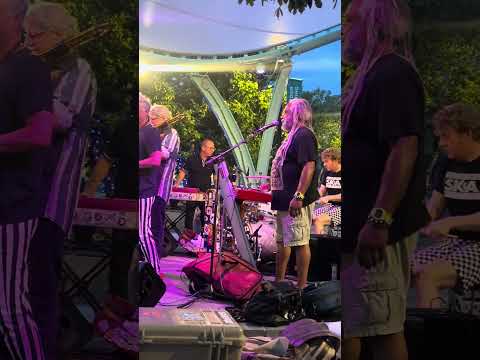
The defining difference is curated sensory immersion. Top-tier festivals prioritize logistical seamlessness—zero-wait bar systems, shaded rest zones, and baffled sound stages preventing bleed between acts. Average events suffer from muddy audio and crushing bottlenecks. A top festival also integrates multi-sensory art installations that transform walking paths into discovery lanes, not just transit. What is the single most overlooked differentiator for a top-tier event? Intentional crowd flow design, ensuring you never miss a set due to a single, blocked walkway.
How to Pick the Right Event for Your Vibe

To pick the right festival for your vibe, first identify your preferred musical genre and energy level. Research the lineup thoroughly, but also examine the festival’s intended atmosphere through past attendee photos and videos. A massive EDM event offers high-energy crowds and constant stimulation, while a boutique folk festival provides a laid-back, communal setting. Check the stage layouts and designated chill zones to ensure you can escape the main action. Consider the camping or lodging setup, as a luxury glamping experience differs vastly from a rugged, immersive camping festival. Matching the festival’s scale and demographic to your social comfort zone—whether you seek solitary exploration or a large group experience—is crucial for a positive outcome.
Matching festival size and location to your comfort level
Your comfort hinges on matching festival size and location to your comfort level. A massive multi-stage event can overwhelm if you prefer intimate crowds, while a tiny local gathering might lack the production value you crave. Choose a rural camping festival for immersive escapism or an urban venue for easy access to hotels and food. A three-day trek to a remote site may drain your energy if you dislike roughing it, so prioritize logistics as much as lineup. Q: How do I know if a festival is too large for me? A: Check attendee numbers—under 10,000 for low-anxiety vibes, above 50,000 for high-energy chaos.
Using lineup depth and art installations to guide your choice
To guide your choice, first analyze lineup depth by scanning beyond headliners: a festival with strong midday or niche-stage acts offers more discovery and escape from crowds. Then, assess art installations as spatial cues; larger, interactive works often signal a culture valuing ambiance over just audio power. If a lineup feels thin, look for permanent or rotating art pieces that indicate year-round creative investment, not just a one-weekend visual add-on. Together, these elements reveal whether the festival prioritizes varied, layered experiences or simply name recognition.
Check the undercard’s breadth and the art’s integration; if both are substantial, the festival likely balances sound and scenery for a richer vibe.
Essential Packing and Preparation Tips
For any multi-day festival, essential packing begins with a durable hydration pack and a portable backup charger. Layer your clothing for unpredictable weather, prioritizing moisture-wicking fabrics and a weatherproof shell. Secure your valuables in a lockable daypack, and always carry a small first-aid kit with blister care. Pre-charge all devices and download the festival map offline before you arrive. Finally, test your tent setup at home to ensure you can quickly establish camp in any condition.
Gear that keeps you comfortable from sunrise to late night
To manage temperature swings from sunrise to late night, pack a single versatile mid-layer like a lightweight merino wool hoodie; it breathes during hot afternoons yet insulates as the desert chill sets in. A wide-brimmed hat with a chin strap provides shade at noon and warmth retention after dark if lined. For your feet, trail runners with moisture-wicking socks prevent blisters through ten hours of standing. Swap a daypack for a sling bag at night to keep hands free while layering a silk liner inside your sleeping bag for unexpected cold. Transition-ready clothing layers are non-negotiable for 18-hour comfort.
Q: How do I stay comfortable during the drastic temperature drop from sunset to midnight?
A: Keep a packable puffy vest or windbreaker clipped to your belt; wear it over your daytime shirt to trap core heat without needing to change outfits.
What to bring for weather, crowds, and nonstop activity

For unpredictable weather, pack a compact, packable poncho and https://www.northwestmusicscene.com/ a lightweight, UV-protective long-sleeve shirt for sun or chill. Combat crowds with a small, crossbody bag that keeps valuables secure and hands free, plus a buff or bandana to filter dust. To sustain nonstop activity, bring blister-prevention socks, electrolyte tablets for hydration, and a portable charger. A festival survival kit should include earplugs for loud stages and a reusable water bottle to refill at stations, ensuring your stamina endures from first act to late-night sets.
Navigating Multiple Stages and Schedules Like a Pro

To navigate multiple stages like a pro, start by studying the festival map and schedule before you arrive, marking your top three must-see acts on different stages. Allow a 10-minute buffer between sets to account for walk times and crowd flow, prioritizing stages closest to each other. Hold your ground at a single stage only for headliners you cannot miss; otherwise, use the gaps between acts to explore. Planning a “Plan B” act for every slot ensures you never face a disappointing gap. Wear comfortable shoes, charge your phone fully, and sync the official app’s alerts to avoid last-minute clashes.
Strategies for catching must-see acts without conflicts
To eliminate scheduling conflicts, first mark your non-negotiable acts on the festival app. Then, use the conflict resolution feature to visually map overlapping sets. Prioritize seeing full sets of your top-tier acts, sacrificing partial views of lesser priorities. Position yourself near a stage transition route to sprint between back-to-back shows. Accept that a 15-minute walk between distant stages is a practical limit for catching both acts.
- Cross-reference set times against artist stages to identify feasible transitions.
- Arrive at the earlier act’s stage early to secure an exit path for a quick getaway.
- Watch the final 10 minutes of a lesser favorite to skip the crowd crush and snag a front spot for your must-see.
Using apps and physical maps to save time and energy
Before the chaos begins, download the official festival app and study its interactive map to mark must-see stages and essential amenities like water stations and first aid. This digital blueprint lets you plot efficient routes between sets, bypassing bottlenecks. For a backup, grab a physical map at the entrance to avoid draining your battery. Combine both: use the app for set time alerts and offline map navigation, while the paper map provides a quick overview without screen glare. This dual-strategy saves energy on aimless wandering and preserves phone power for capturing memories.
Getting the Most Out of On-Site Amenities
To get the most out of on-site amenities at a music festival, treat them as part of the experience, not just utilities. Arrive early to scout refill stations and map your route between stages for quick hydration breaks. Use shaded lounges during peak sun to recharge without missing bass-heavy sets. Scheduling downtime at charging stations or hammock groves prevents burnout for the headliners. Bring a sealed water bottle to bypass queues and hit the food trucks during off-peak hours for shorter lines. Finally, leverage locker rentals for valuables and extra layers, letting you dance freely without holding a bag.
Food, drink, and rest zones you should not overlook
Beyond the main stages, seek out dedicated hydration stations with free water refills to avoid costly bottles and dehydration. Many festivals now offer quiet rest zones with shaded seating and designated low-volume areas, crucial for preventing sensory overload. Look for vendor clusters slightly off the main pathways, which often have shorter queues for food and drink. Carefully scan the site map for covered chill-out tents or hammock groves where you can eat and recharge without losing your spot’s vibe. Prioritizing these refueling and recovery spots directly extends your energy for the entire festival day.
How to leverage charging stations, lockers, and hydration points
To maximize your festival experience, treat charging stations, lockers, and hydration points as interconnected infrastructure rather than separate utilities. Charge your phone fully before arriving, then use strategic amenity routing: plug your power bank into a charging station while you store a jacket in a nearby locker, eliminating round trips. Hydration points should be mapped against locker locations, allowing you to refill a collapsible water bottle immediately before or after accessing stored snacks. Always queue for lockers during a headliner’s set when lines shrink, and charge devices during low-energy afternoon acts. This sequencing compresses wait times and keeps your phone live for coordinating with friends.
Leverage charging stations, lockers, and hydration points by merging their usage into a single, time-efficient loop—charge while accessing storage, and refill water en route, never making any trip solely for one amenity.
Common Questions First-Timers Usually Ask
First-timers often ask what to bring to a music festival, specifically regarding camping gear and daily essentials like sun protection and a reusable water bottle. Another common query is how to plan a festival schedule without clashes, emphasizing the need to download the official app and identify must-see acts versus acts to discover. You will likely wonder about acceptable bag sizes and entry rules, which vary by venue. Finally, many ask how to navigate crowds and find their friends at the main stage, so having a designated meet-up spot is crucial.
What to do if you lose your group or signal goes dead
If you lose your group or the signal goes dead, don’t panic. First, agree on a designated meeting point (like a specific food vendor or landmark) before you split up. If signal dies, head straight there. If you can’t reach it, stay put and wait—don’t wander. For a quick resolution, follow this sequence:
- Check your phone’s last-seen location for your group.
- Use offline maps to navigate back to your last known spot.
- Ask nearby festival staff at info booths for help paging your friends.
If all else fails, just be patient at the meeting point—your crew will likely check there too.
How to handle bathroom lines, camping rules, and crowd safety
Bathroom lines move faster if you hit the porta-potties between sets or early morning. Mastering festival bathroom lines means bringing your own TP and hand sanitizer. Camping rules often ban glass and open fires; check your site’s specific list to avoid confiscation. A tent stake hammered at an angle holds better in wind than one straight down. For crowd safety, never stand directly in front of a speaker stack, and if a mosh pit opens, move sideways toward the edge, not back. Q: How do I handle bathroom lines without missing my favorite artist? A: Go during the headliner’s first song—everyone else is watching, so the wait drops to under five minutes.